
3 Hydrangea Day Trip Routes from Tokyo
Tokyo hydrangea 2026: 3 day-trips from Tokyo. City (free), Kamakura (Meigetsuin vs Hasedera), or Hakone's hydrangea train. Peak: 2nd–3rd week of June.
tokyo.how uses affiliate links. If you buy through these links, we may earn a commission at no extra cost to you.
On this page
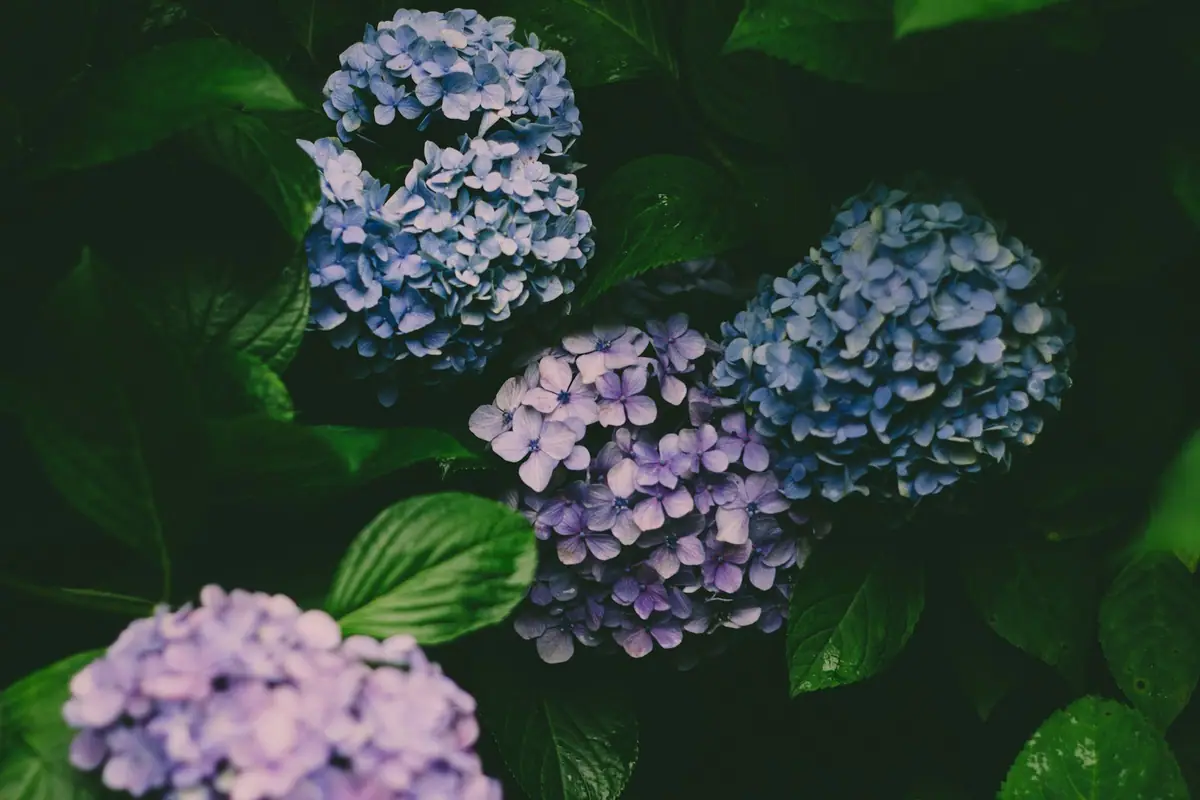
Hydrangeas look their best when wet — the colors deepen in the rain. Instead of lamenting the weather during Tokyo’s rainy season, why not go see the flowers that are at their peak precisely because of it?
Peak bloom is typically the 2nd–3rd week of June, though it shifts by about a week each year. Check each spot’s official site for current blooming status before heading out (information current as of May 2026). For rainy season weather and packing tips, see our tsuyu guide.
| Route | Area | Duration | Budget (transport + admission) | Best for |
|---|---|---|---|---|
| City half-day | Bunkyo–Kita wards | 3–4 hrs | ¥300–500 | Short on time or budget |
| Kamakura full day | Kita-Kamakura–Hase | 6–7 hrs | ~¥3,000–3,900 (one or both temples) | Photography, taking your time |
| Hakone day trip | Hakone-Yumoto–Gora | 7–8 hrs | Transport ~¥5,860 + onsen | Combining flowers with hot springs |
Route 1: City Half-Day (Under ¥500, Free Admission)
Hakusan Shrine (Bunkyo)
The 2026 Ajisai Matsuri runs June 6–14. Over 3,000 hydrangea plants fill the grounds, and the “Fujizuka” hill behind the shrine opens only during the festival. The view looking down from the top, with hydrangeas cascading down the slope, is a composition unique to this shrine. You may spot cats in the grounds too.
2-minute walk from Hakusan Station (Toei Mita Line), Exit A3. Free admission. Weekday mornings are quietest.
Asukayama Park (Kita)
About 2,000 hydrangea plants line the slope along the JR tracks — the “Hydrangea Road.” You can frame passing trains and flowers in a single shot; the best angle is looking up from partway up the slope. Free, open 24 hours. Early morning around 6 AM, it’s just local joggers. Peak bloom is mid-June.
1-minute walk from JR Oji Station (Keihin-Tohoku Line).
Getting from Hakusan to Asukayama: Hakusan Station to JR Oji Station requires a transfer. Check a transit app for the route before heading out.
Adding One More
If you have time, consider the lesser-known spots. Fuchu Kyodo no Mori Museum has a large hydrangea collection (20-min walk from JR Fuchu-Hommachi Station). Adult admission is ¥300, paid in cash, plus the extra transport to Fuchu. Kodaira Ajisai Park is another option (about 5 min from Seibu Kodaira Station). These optional trips are outside the core route budget below.
Total cost for Hakusan and Asukayama only: Transport ¥300–500, admission free; optional trips cost extra If it’s pouring: Switch to the Marunouchi route in our free rainy day activities guide
Route 2: Kamakura Full Day (Transport ~¥2,500 Round Trip)
Tokyo to Kamakura is about 55 minutes on the JR Yokosuka Line (¥1,040 — confirm with a transit app). Kamakura’s hydrangea spots are concentrated enough to visit two in one day.
Meigetsuin (Kita-Kamakura)
Known as the “hydrangea temple,” nearly every plant here is a blue hime-ajisai variety. The all-blue landscape is something you won’t find anywhere else. 10-minute walk from JR Kita-Kamakura Station. Admission ¥500 (cash only).
Peak weekends see lines from early morning, and waits can be long. Weekday late afternoons tend to be less crowded — the soft evening light on the blue flowers is worth the timing.
Meigetsuin looks its best on rainy days. Raindrops on the blue-purple petals bring out deeper colors, and fewer people come.
The signature photo spot is the “Window of Enlightenment” (Satori no Mado) in the main hall — a round window framing the garden behind. Expect a queue for this angle during peak times.
Hasedera
With 40+ varieties and about 2,500 plants, Hasedera is the counterpoint to Meigetsuin’s monochrome blue — here, it’s all about variety. Original cultivars including “Hase Yohira,” “Hase no Shiosai,” and “Hase no Inori” add unique colors to the hillside.
5-minute walk from Hase Station on the Enoden. Admission is ¥400 plus a ¥500 hydrangea path ticket, totaling ¥900.
Online booking is recommended for the hydrangea path — new slots open every Tuesday at 10:00 for seven days starting that coming weekend. Limited same-day tickets are also sold and may be unavailable. Even with an online path ticket, pay the separate temple admission on arrival. See our advance booking guide for more venues that need reservations.
The best photo spot: the elevated section of the hydrangea path overlooking Yuigahama Beach. Flowers and ocean in one frame — only at Hasedera.
Meigetsuin vs Hasedera: How to Choose
| Meigetsuin | Hasedera | |
|---|---|---|
| Character | All-blue uniformity | 40+ varieties + ocean views |
| Admission | ¥500 (cash only) | ¥900 (admission + hydrangea ticket) |
| Booking | Not needed (queue in line) | Online booking recommended |
| Rainy days | Especially beautiful | Path slopes can be slippery |
| Avoiding crowds | Weekday late afternoon | Online booking smooths entry |
You can fit both into one day. Morning at Meigetsuin (from Kita-Kamakura Station) → JR back to Kamakura Station → Enoden to Hase Station → afternoon at Hasedera → lunch near Kamakura Station. Check our JR guide for train tips.
Transport total: JR round trip ~¥2,080 + Enoden ¥400 (Kamakura ⇔ Hase round trip) ≈ ~¥2,500 (admission and food separate)
Route 3: Hakone Day Trip (With Onsen, ¥6,000+)
Hydrangea Train (Hakone Tozan Railway)
Hydrangeas bloom along the line from Hakone-Yumoto to Gora. The railway gives typical peaks of mid-to-late June near Hakone-Yumoto and late June to early July near Gora. Higher Sounzan, reached by cable car beyond Gora, can peak in early-to-mid July. Weather affects the timing. The Hakone-Yumoto–Gora ride takes roughly 40 minutes through flowers along the line. Fare: approximately ¥460 one way, or ¥920 for the return journey.
The Night Ajisai Train runs June 13–30, 2026. This special train passes through illuminated hydrangeas, stopping at Miyanoshita or Tonosawa Station for an outdoor photo opportunity. Seat tickets are ¥500 (fare separate), online reservation only. Weekend slots sell out fast — book early, just like the other venues that need advance tickets.
Finish with an Onsen
After the hydrangea train, head back to Hakone-Yumoto for a day-trip onsen. Several facilities in the area offer day bathing (prices vary by venue). See our onsen and sento guide for bathing etiquette.
Access: Odakyu Romancecar from Shinjuku to Hakone-Yumoto, about 1.5 hours (¥2,470) Budget option: Hakone Free Pass (2-day pass from Shinjuku, ¥7,100) includes the Tozan Railway and other transport. Whether it pays off for a day trip depends on how many rides you take Transport total: Using the fares above, Romancecar round trip ¥4,940 + Tozan Railway return ¥920 (¥460 × 2) ≈ ¥5,860. Onsen, food, and any Night Ajisai Train seat fee are extra; confirm fares for your travel date.
For June weather and hotel prices, see our rainy season guide. Budget eating tips are in our Tokyo budget eating guide.
References:
- GO TOKYO, “Bunkyo Ajisai Matsuri” https://www.gotokyo.org/en/spot/ev031/index.html (accessed 2026-05-07)
- Hasedera Temple, “2026 Hydrangea Ticket Booking” https://prtimes.jp/main/html/rd/p/000000014.000135597.html (accessed 2026-11-01)
- Fuchu Kyodo no Mori Museum, “Admission Fees” https://www.fuchu-cpf.or.jp/museum/access/1000071.html (accessed 2026-11-01)
- Hakone Navi, “Hydrangea Bloom Periods by Station” https://www.hakonenavi.jp/hakone-tozan/ajisai/about/ (accessed 2026-11-01)
- Hakone Navi, “Hydrangea Train / Night Ajisai Train” https://www.hakonenavi.jp/hakone-tozan/ajisai/night/ (accessed 2026-05-07)
- JMA, “Past Tsuyu Onset/End Dates” https://www.data.jma.go.jp/cpd/baiu/kako_baiu09.html (accessed 2026-05-07)
FAQ
Where can I see hydrangeas in Tokyo?
Meigetsuin or Hasedera — which is better?
When is peak hydrangea season?
Can I enjoy hydrangeas in the rain?
Do I need to book the Hakone hydrangea train?
How much does it cost to get to Kamakura from Tokyo?
* This article was translated from the original Japanese with the help of machine translation. Some expressions may not read naturally.
Related Guides
Tokyo Restaurant Extra Charges Explained
A small dish you didn't order. A service fee on your bill. This guide breaks down the four extra charges at Tokyo restaurants — otoshi, table charge, service fee, and consumption tax — with typical prices and cultural context.
Anime & Subculture DJ Events in Tokyo — Venues, Costs & Beginner Guide
Anime, Vocaloid, and game music DJ events every weekend in Tokyo. Venues like Akihabara MOGRA, entry costs, and tips for first-timers.
How to Plan Your Tokyo Itinerary Without Burning Out
2-3 spots per day is the right pace. Group nearby areas, add 15-minute buffers, and halve your plans on jet-lag day one. A practical framework to avoid over-scheduling.
11 Tokyo Travel Mistakes First-Timers Make — And How to Avoid Them (2026)
Wrong trains, cash shortage, no SIM, overloaded suitcase — the 11 most common Tokyo travel mistakes and exactly what to do before you leave home.
Tokyo Rainy Season Guide: When It Hits, What to Pack, What to Do
Tokyo tsuyu 2026: early June to mid-July, rain falls on ~half the days. June can be cheaper than peak travel seasons. Rainy-day routes, hydrangea spots & seasonal food.